Norovirus Cruise Ship Outbreaks: A Guide for Kiwi Travellers
As Kiwis prepare for their next big adventure, the threat of norovirus on cruise ships is an important consideration. Norovirus is a highly contagious virus that can spread quickly in enclosed environments like cruise ships, causing symptoms such as diarrhoea, vomiting, and stomach cramps. With the risk of outbreaks on the high seas, it's essential for New Zealand travellers to be aware of the risks and take steps to protect themselves. In this article, we'll delve into the world of norovirus cruise ship outbreaks, exploring the context, details, and implications for Kiwi travellers.
Understanding Norovirus
Norovirus is a common cause of gastroenteritis, affecting people of all ages. It's highly contagious and can spread through contaminated food, water, and surfaces, as well as through direct contact with an infected person. On a cruise ship, the close living quarters and shared facilities create an ideal environment for the virus to spread. According to reports, norovirus outbreaks on cruise ships are not uncommon, with several cases reported in recent years.
While the exact number of outbreaks is difficult to determine, it's clear that norovirus poses a significant risk to cruise ship passengers. To put this into perspective, consider the image of a crowded cruise ship, where people from all over the world gather to enjoy their holiday. 
Prevention is Key
So, what can Kiwi travellers do to protect themselves from norovirus on cruise ships? The key is prevention. By taking simple steps such as washing your hands frequently, avoiding close contact with people who are sick, and avoiding contaminated food and water, you can significantly reduce your risk of infection. It's also essential to follow proper hygiene practices, such as washing your hands before eating and after using the bathroom.
In addition to personal hygiene practices, cruise ships can also take steps to prevent norovirus outbreaks. This includes implementing strict cleaning and disinfection protocols, providing hand sanitiser stations throughout the ship, and ensuring that food and water are handled and prepared safely. By working together, cruise ships and passengers can reduce the risk of norovirus outbreaks and ensure a safe and healthy holiday.
What to Expect if You Get Sick
Despite taking precautions, it's still possible to get sick with norovirus on a cruise ship. If you do get infected, it's essential to know what to expect and how to manage your symptoms. Norovirus typically causes symptoms such as diarrhoea, vomiting, and stomach cramps, which can be uncomfortable and even debilitating. However, in most cases, the symptoms will resolve on their own within a few days.
If you get sick on a cruise ship, it's essential to report your symptoms to the ship's medical team immediately. They can provide you with guidance on how to manage your symptoms and prevent the spread of the virus to others. You may also be required to isolate yourself in your cabin to prevent the spread of the virus. While this can be inconvenient, it's an important step in preventing the spread of norovirus to others.
For example, consider the image of a person in a cabin, feeling unwell and trying to manage their symptoms. 
Conclusion
In conclusion, norovirus is a significant risk on cruise ships, but by taking simple steps to prevent infection and being aware of the risks, Kiwi travellers can reduce their chance of getting sick. By understanding the context and details of norovirus outbreaks, travellers can make informed decisions about their holiday and take steps to protect themselves. Whether you're a seasoned cruiser or embarking on your first cruise, it's essential to be aware of the risks and take steps to stay safe and healthy.
Final Fantasy Sephiroth, Hero, Summon, Iconic, Sword PNG
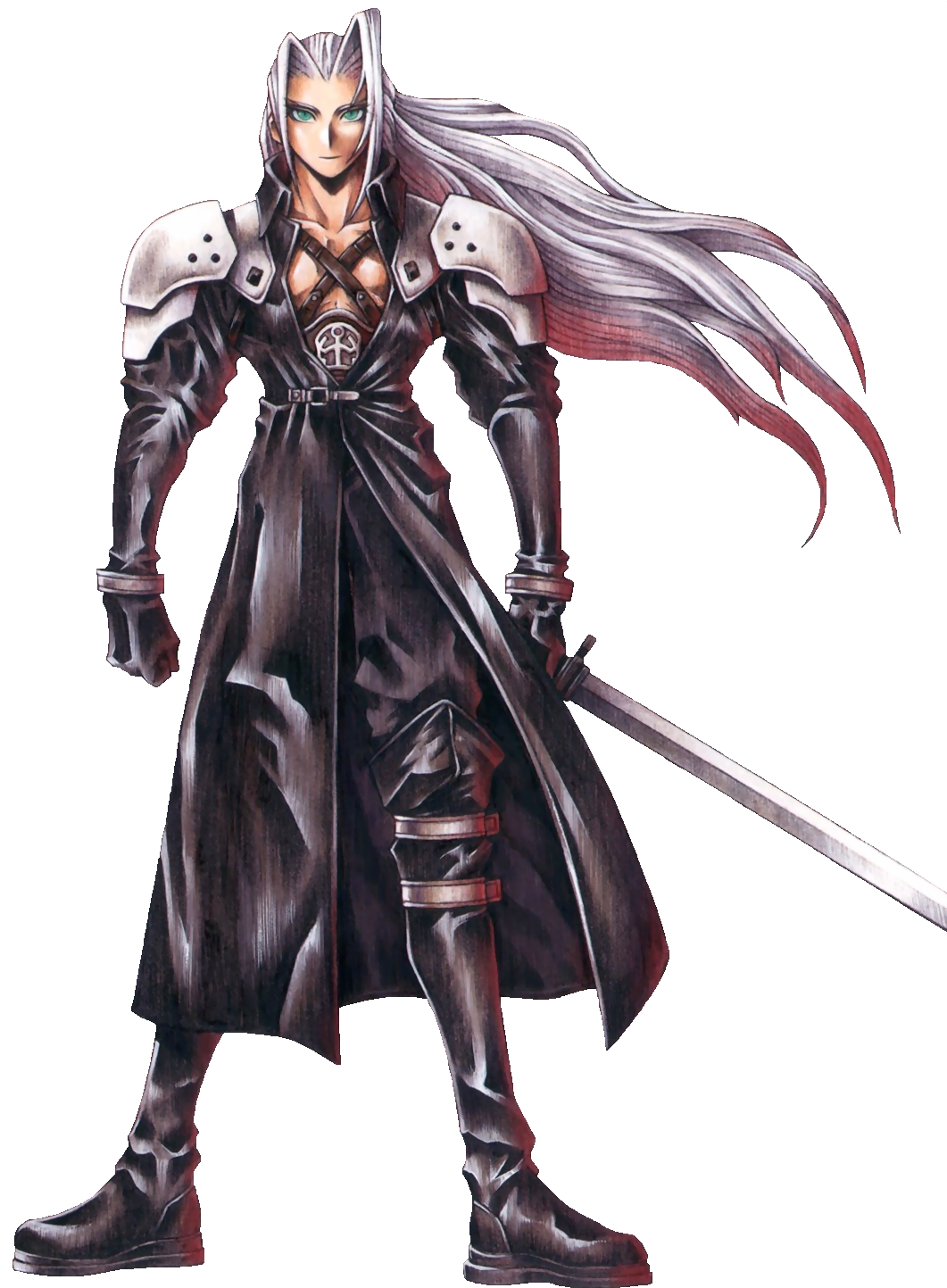
sephiroth
Final Fantasy Sephiroth Wallpaper ·① WallpaperTag
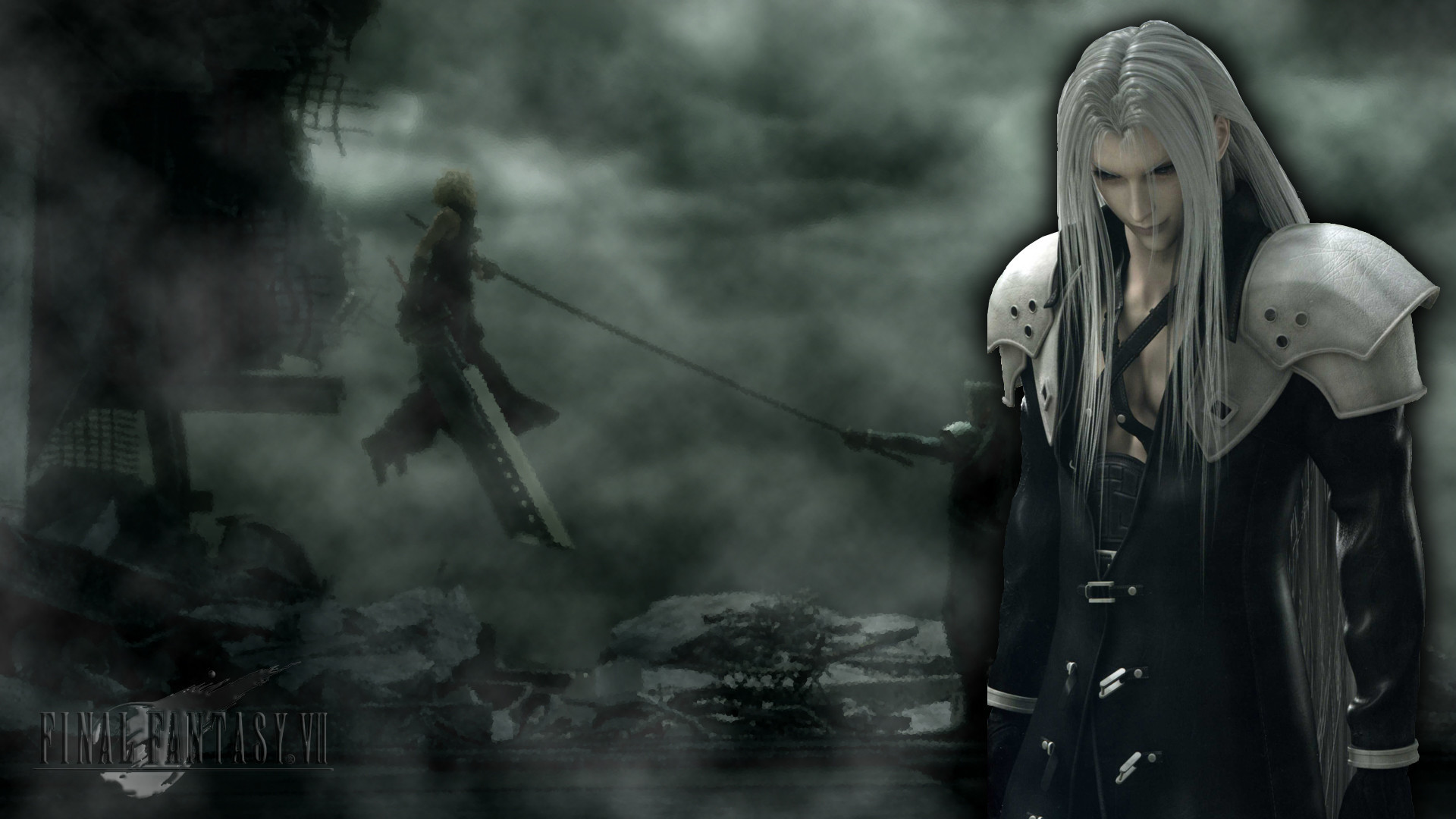
sephiroth final fantasy wallpaper vii wallpapers desktop cloud pictures yuuri are wallpapertag collections art deviantart millions designers upto database artists
Pin On Final Fantasy

sephiroth skiba winged aleksandra