New Zealand Mortgage Rate Trends: Navigating the Market
As the New Zealand property market continues to evolve, understanding the current mortgage rate trends is crucial for homebuyers, investors, and existing homeowners alike. With interest rates fluctuating in response to economic conditions, it's essential to stay informed about the latest developments and their potential impact on the market. Whether you're looking to purchase a new home, refinance an existing mortgage, or simply want to stay on top of your financial situation, being aware of the prevailing mortgage rate trends can help you make more informed decisions.
What's Driving Mortgage Rate Trends in New Zealand?
The mortgage rate trends in New Zealand are influenced by a combination of local and global factors, including economic growth, inflation, and monetary policy decisions. The Reserve Bank of New Zealand plays a significant role in shaping the interest rate landscape, with its official cash rate setting the tone for the broader market. As the economy grows and inflation rises, the central bank may increase interest rates to keep prices in check, which can lead to higher mortgage rates. Conversely, during periods of economic slowdown, lower interest rates may be implemented to stimulate growth, resulting in more affordable mortgage options.
Moreover, global events, such as changes in international interest rates or shifts in investor sentiment, can also impact New Zealand's mortgage market. For instance, a rise in global interest rates can lead to increased borrowing costs for banks, which may then be passed on to consumers in the form of higher mortgage rates. 
Common Mistakes to Avoid in the Current Market
When navigating the current mortgage market in New Zealand, there are several common mistakes to avoid. One of the most significant errors is not shopping around for the best mortgage deal. With numerous lenders offering a range of products, it's essential to compare rates, terms, and conditions to find the most suitable option for your circumstances. Failure to do so may result in paying more than necessary or missing out on a better-suited product. Another mistake is not considering the total cost of the loan, including fees and charges, which can add up quickly and impact your overall financial situation.
Additionally, some borrowers may be tempted to opt for a mortgage with a low introductory rate, only to find that the interest rate increases significantly after the initial period. It's crucial to carefully review the terms and conditions of the loan, including any potential rate hikes or fee changes, to avoid unwelcome surprises down the track. 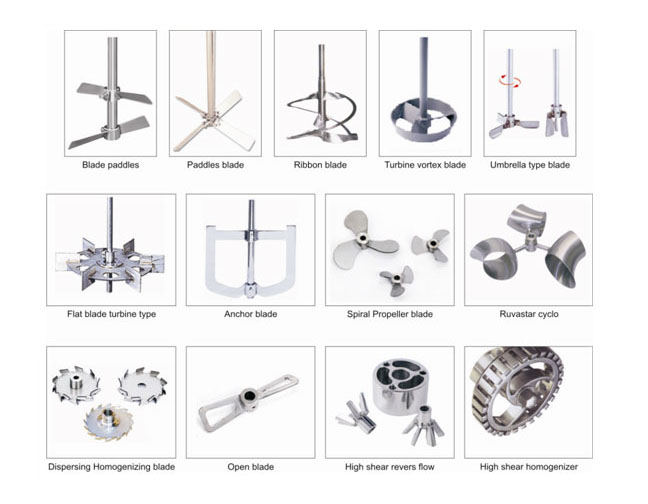
Smarter Alternatives for Borrowers
For borrowers looking to navigate the New Zealand mortgage market effectively, there are several smarter alternatives to consider. One approach is to opt for a fixed-rate mortgage, which can provide certainty and stability in a changing interest rate environment. By locking in a fixed rate, borrowers can protect themselves from potential rate hikes and ensure their repayments remain consistent over the fixed term. Another strategy is to consider a mortgage with an offset account, which can help reduce the interest payable on the loan by offsetting the borrowed amount with savings or other funds.
Furthermore, borrowers may also want to explore the option of a split loan, which allows them to divide their mortgage into separate portions with different interest rates and terms. This can provide greater flexibility and help manage risk, as borrowers can choose to fix a portion of the loan while keeping another portion variable. By adopting a more informed and strategic approach to borrowing, homebuyers and existing homeowners can better navigate the complexities of the New Zealand mortgage market and achieve their financial goals.
Types Of Agitators, Agitator's Design And Significance - Pharma Engineering

types agitators agitator design impeller turbine significance can
Four Types Of Mud Agitator Impeller

impeller agitator type mud types four turbine choice form
How To Choose The Agitator Impeller Types? - Tank Agitator Mixer

impeller agitator types mixer tank flow choose how stirring industry learn want if about more