WSL Windows Server: A Comprehensive Guide to Installation and Benefits
As businesses and individuals increasingly rely on hybrid environments to meet their computing needs, the integration of Linux and Windows has become a critical aspect of modern IT infrastructure. Windows Subsystem for Linux (WSL) on Windows Server provides a robust solution for running Linux applications directly on Windows, eliminating the need for virtual machines or dual-boot setups. With WSL, users can leverage the strengths of both operating systems, enhancing productivity, flexibility, and overall system performance.
Understanding WSL Windows Server
WSL allows users to run a Linux distribution alongside their Windows installation, facilitating seamless interaction between the two environments. This capability is particularly useful for developers, administrators, and power users who require access to Linux tools and applications within their Windows workflow. By installing WSL on Windows Server, organizations can streamline their operations, reduce complexity, and improve resource utilization.
Currently, guides and tutorials are available for installing WSL on various versions of Windows Server, including Windows Server 2019. These resources provide step-by-step instructions and troubleshooting tips to help users overcome common challenges and get the most out of their WSL setup. For instance, a guide on installing WSL on Windows Server 2019 can be found at this link, offering valuable insights and practical advice for a successful installation.

Benefits and Trade-Offs of WSL Windows Server
The integration of WSL with Windows Server offers numerous benefits, including enhanced security, improved performance, and increased flexibility. By running Linux applications directly on Windows, users can reduce their reliance on virtual machines and minimize the overhead associated with managing multiple environments. Additionally, WSL enables developers to test and deploy Linux-based applications on Windows, expanding the reach and compatibility of their software.
However, there are also trade-offs to consider when implementing WSL on Windows Server. For example, users may encounter compatibility issues with certain Linux applications or experience performance degradation due to the added layer of complexity. Moreover, the setup and configuration of WSL require technical expertise, which can be a barrier for some users. To mitigate these risks, it is essential to carefully evaluate the specific needs and requirements of your organization before deploying WSL on Windows Server.

Realistic Expectations and Future Developments
As the IT landscape continues to evolve, the importance of hybrid environments and cross-platform compatibility will only continue to grow. WSL on Windows Server is poised to play a critical role in this development, enabling organizations to harness the strengths of both Linux and Windows to drive innovation and success. While there are challenges and limitations to consider, the benefits of WSL far outweigh the drawbacks, making it an attractive solution for businesses and individuals seeking to optimize their computing infrastructure.
In conclusion, WSL Windows Server offers a powerful and flexible solution for running Linux applications on Windows, providing a robust and efficient way to leverage the strengths of both operating systems. By understanding the benefits, trade-offs, and realistic expectations of WSL, users can make informed decisions about their IT infrastructure and unlock new possibilities for productivity, innovation, and growth.
Install Wsl On Windows Server 2019 - Printable Forms Free Online
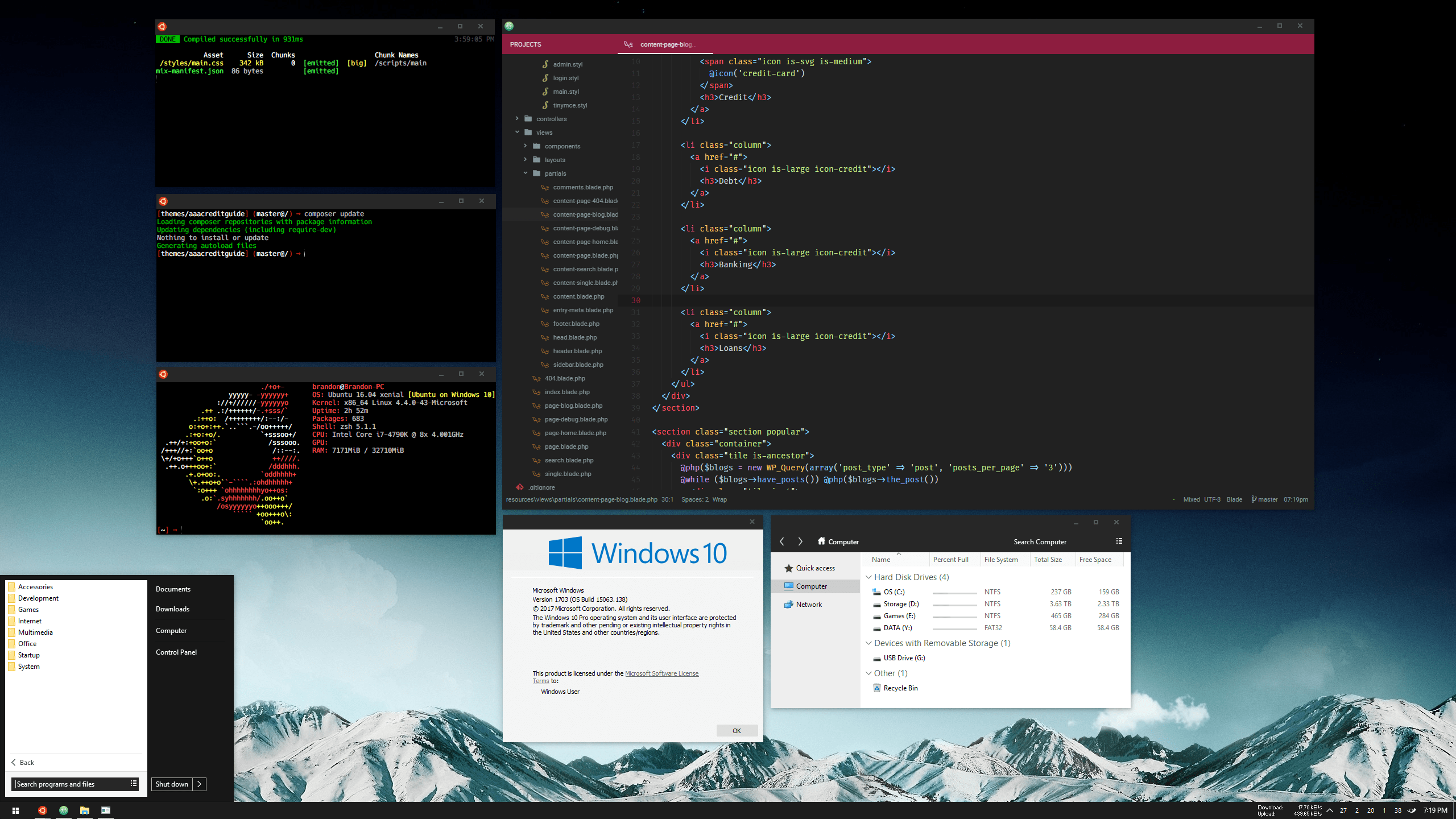
Install Wsl On Windows Server 2019 - Printable Forms Free Online
WSL On Windows Server 2022 系列文章 ~ 不自量力 の Weithenn

WSL on Windows Server 2022 系列文章 ~ 不自量力 の Weithenn
How To Install WSL On Windows Server - TechDirectArchive

How to install WSL on Windows Server - TechDirectArchive